
- SELAMAT DATANG DI SEKOLAH CALON PEMIMPIN MASA DEPAN - PENDAFTARAN MURID BARU KLIK DISINI
- SELAMAT DATANG DI SEKOLAH CALON PEMIMPIN MASA DEPAN - PENDAFTARAN MURID BARU KLIK DISINI
Islamic Mindset Shifts
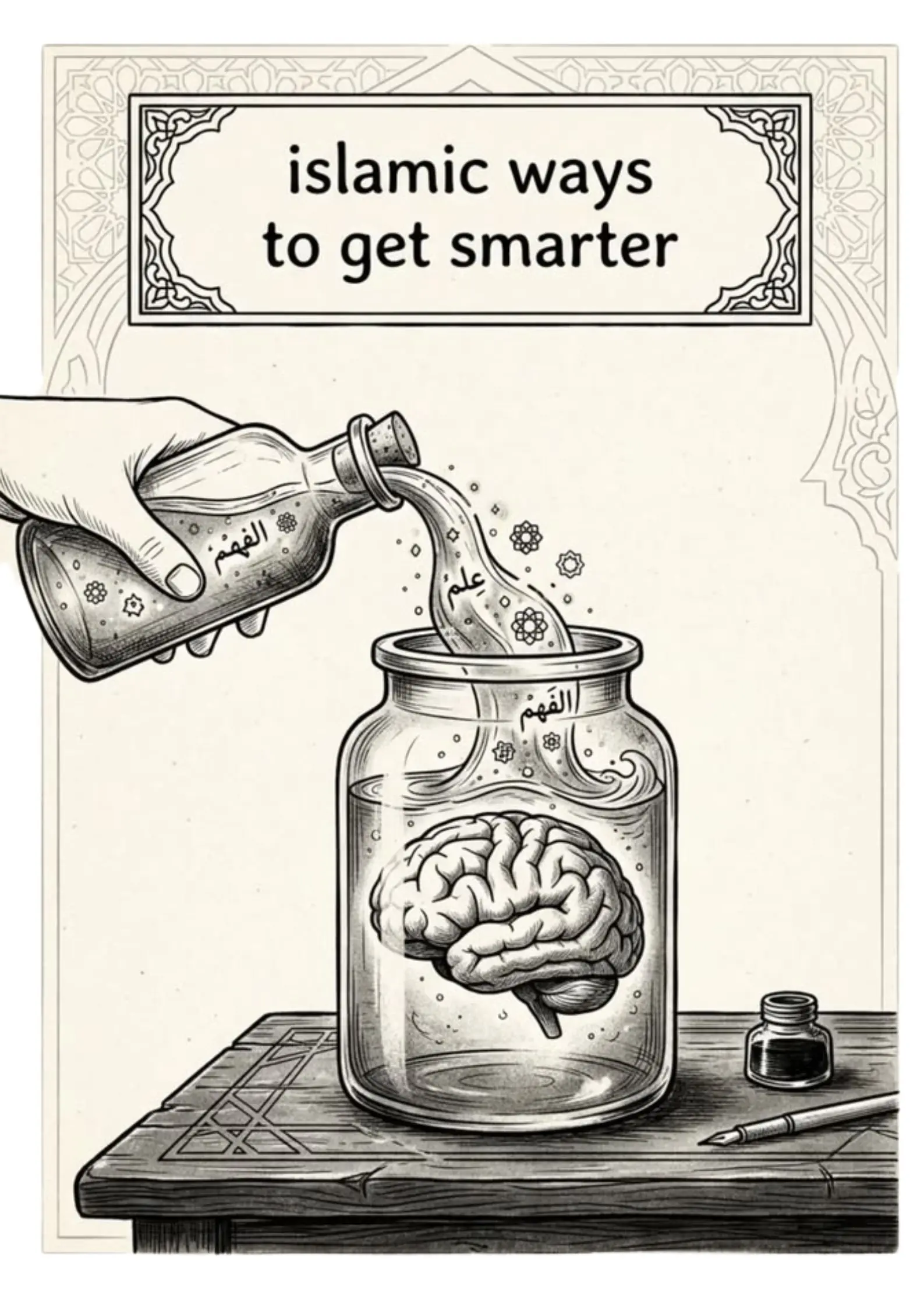
Life often feels heavy because we carry burdens that were never meant to be ours. Islam offers a different way of seeing reality—one that replaces anxiety with trust, confusion with clarity, and pressure with peace. These mindset shifts do not remove life’s challenges, but they transform how we experience them.
1. You Are Not Managing Your Life — You Are Responding to What Allah Has Written
Many of us live with the hidden belief that we must make everything work. We feel responsible for controlling every outcome, solving every problem, and securing every future possibility.
Islam breaks this illusion.
Allah says:
“No disaster strikes upon the earth or among yourselves except that it is in a register before We bring it into being.” (Qur’an 57:22)
The shift is simple but profound: you are not holding your life together. You are living within a reality already known and written by Allah. Your role is not control—it is response.
Relief comes when the pressure to figure everything out begins to fall away. Your responsibility becomes smaller, clearer, and more human-sized.
2. The Feeling You’re Trying to Escape Might Be the Door Allah Is Using
Our instinct is to label discomfort as bad.
“This hurts. I need this gone.”
Yet Islam teaches that hardship is often purposeful rather than meaningless.
Allah says:
“Indeed, with hardship comes ease. Indeed, with hardship comes ease.” (Qur’an 94:5–6)
Notice that Allah says with hardship, not after hardship.
Instead of asking, “How do I get rid of this feeling?” a believer begins to ask, “What is Allah guiding me toward through this?”
Pain becomes easier to bear when it no longer feels pointless. Rather than fighting your own internal state, you begin to search for the wisdom within it.
3. You Don’t Need to Feel Ready — Action Creates the State
Many people remain stuck because they believe they must first feel motivated before taking action.
Islam teaches the opposite.
Salah does not require the perfect spiritual state—it helps create it.
Dhikr does not wait for calmness—it produces calmness.
The shift is learning to act first and allow the heart to follow.
This brings relief because you no longer depend on motivation to move forward. Even during low moments, you can continue taking meaningful steps toward Allah.
4. Your Rizq Is Fixed — Anxiety Does Not Increase It
Much of modern stress revolves around provision, success, and security.
Allah says:
“There is no creature on earth except that its provision is upon Allah.” (Qur’an 11:6)
This does not mean we stop striving. Rather, it means we stop believing that anxiety itself is productive.
Your provision will not increase because you worried more about it.
When this truth settles into the heart, urgency softens, comparison loses its grip, and decisions can be made without panic.
5. You Are Not Your Thoughts — You Are What You Choose Despite Them
Many people fear their own minds.
They assume that every intrusive thought says something about who they are.
Islam makes an important distinction between thoughts and actions.
The Prophet ﷺ taught that Allah forgives the whispers of the soul as long as they are not acted upon.
The shift is realizing that internal chaos is not your identity. Your choices are.
This understanding removes much of the fear surrounding overthinking and allows you to stop treating every thought as a reflection of your character.
6. Delay Is Not Denial — It May Be Preparation or Protection
When something we desperately want does not happen, the ego often interprets it as rejection.
“I’m being blocked.”
But what if Allah is preparing you before giving it? Or protecting you from it entirely?
The shift is learning not to measure Allah’s care by speed.
Relief comes when impatience softens and delays are no longer interpreted as proof that Allah has abandoned your request.
Sometimes what feels like waiting is actually mercy in disguise.
7. Allah Is Not Waiting for You to Fix Yourself Before You Return
Many people believe they must become better before reconnecting with Allah.
“I’ll pray when I get my life together.”
“I’ll return when I’m more consistent.”
Islam teaches the opposite.
You come back first—and that is what begins the transformation.
The shift is understanding that connection is the starting point, not the reward.
This brings relief because even your lowest moments become usable. You do not need perfection to approach Allah. You only need willingness.
8. Not Every Pain Is a Punishment
When hardship arrives, it is easy to assume Allah is displeased with us.
Yet the Prophet ﷺ taught that no fatigue, illness, sorrow, or difficulty afflicts a believer except that Allah uses it to remove sins.
Hardship can be many things:
- Purification
- Elevation
- Redirection
- Growth
The shift is no longer interpreting every painful experience as proof that Allah is against you.
This softens your relationship with Allah and allows you to endure hardship without spiritual panic.
9. Your Job Is Sincerity — Outcomes Belong to Allah
Perhaps the heaviest burden people carry is the need to control results.
“What if I fail?”
“What if this doesn’t work?”
Islam narrows your responsibility to three things:
- Intention
- Effort
- Sincerity
Everything else belongs to Allah.
Success is not merely achieving the outcome you wanted. Success is showing up sincerely and doing what Allah asked of you.
This mindset reduces the fear of failure and allows action to replace paralysis.
Conclusion
Many of life’s heaviest burdens come from carrying responsibilities that were never ours to carry. Islam gently redirects us toward a lighter way of living—one rooted in trust, effort, patience, and surrender.
The goal is not to control every outcome. The goal is to walk through life with sincerity while trusting the One who already knows the destination.
When these shifts begin to settle into the heart, life may not become easier in every circumstance, but it often becomes lighter to carry.
This version reads more like a reflective article and flows naturally from one mindset shift to the next.
Another Article


1 Comment
Pos Terbaru


Pos Terbaru
MaayaAllah.. Thanks u
Leave a Comment